
Medical College of Wisconsin · Department of Otolaryngology & Communication SciencesNIH R25 Research Education

Otolaryngology Research Training Programs

Building the next generation of academic otolaryngology leaders

The MCW Department of Otolaryngology and Communication Sciences trains the next generation of academic surgeon-scientists through two NIH-funded R25 research education programs spanning medical school, residency, post-residency fellowship and early faculty careers.

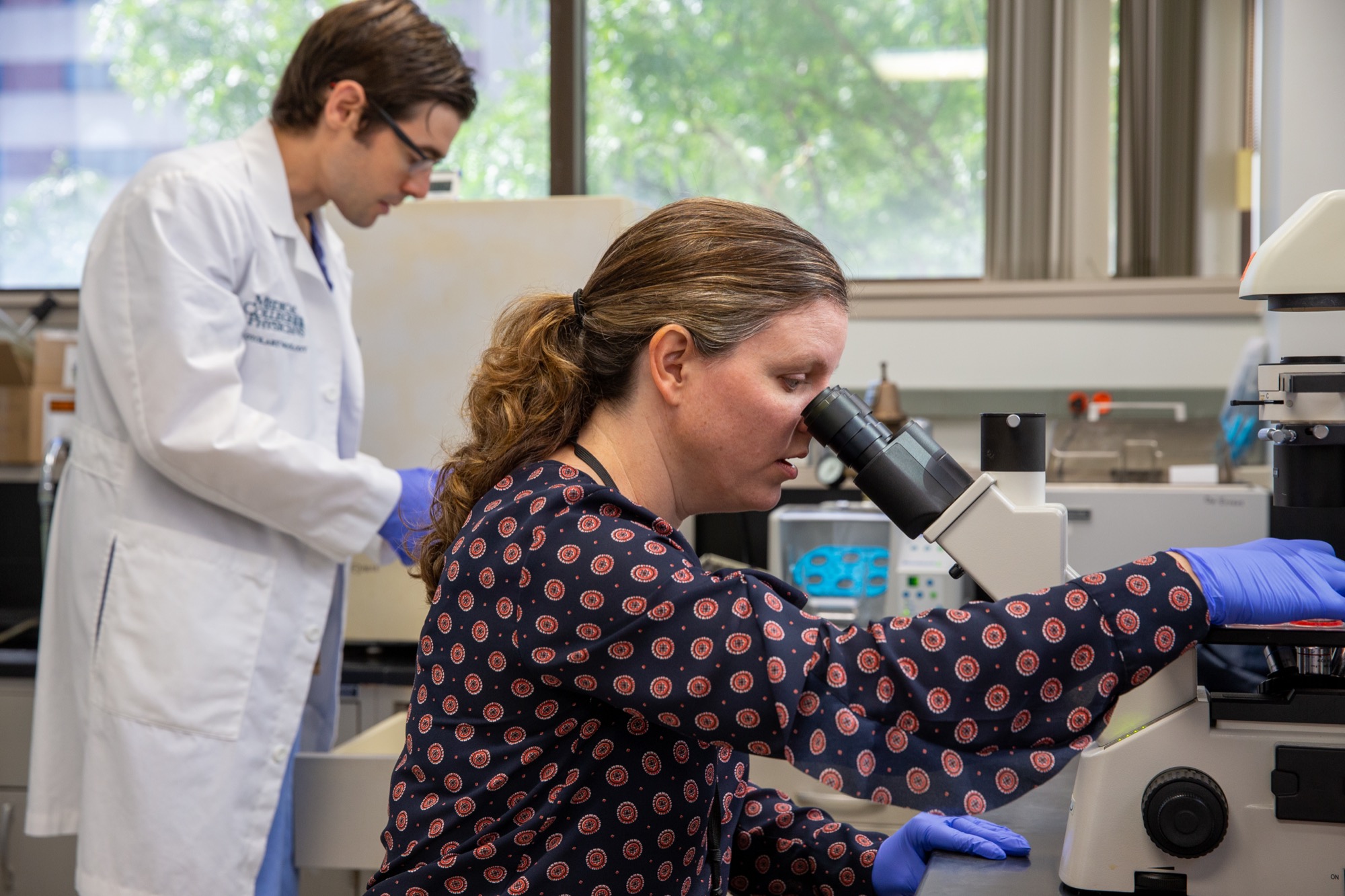
A researcher at a microscope while Joseph Zenga works in the laboratory background

A continuous research training pathway

Research training that moves with you

Together, MORE-Oto and ASCENT-Oto integrate mentored research, surgical education, career development, grant writing and leadership training across every stage of an academic otolaryngology career.

Across both programs

A shared foundation for research independence

Trainees work alongside nationally recognized faculty mentors on impactful basic, translational, computational and clinical research to improve care for disorders of the head and neck, hearing, communication, airway and olfaction.

  • Individualized faculty mentorship
  • Protected research time
  • Exposure to complex operative otolaryngology
  • Basic, translational, computational and clinical research training
  • Scientific writing and grant development
  • Presentation of research at regional and national scientific meetings
  • Leadership and career-development programming
  • Preparation for NIH career-development and independent research funding
MCW clinicians walking together in an operating room corridor

MORE-Oto + ASCENT-Oto

One community. Many ways into research.

Work alongside faculty mentors, clinician-scientists and peers in a department where discovery and operative care inform one another.

Compare the programs

NIH-funded research education programs

Choose the experience built for your career stage

Explore each NIH-funded program, its intended trainees, leadership and protected research experiences.

01

Mentored Operative and Research Experience in Otolaryngology

MORE-Oto

NIH R25DC023183

Principal Investigators: Joseph Zenga, MD, MS; Michael Harris, MD

For Medical students and MCW otolaryngology residents

Immersive mentored research, complex operative otolaryngology and multidisciplinary clinical care introduce participants to academic surgeon-scientist careers. Individualized mentorship supports hypothesis-driven research and foundational academic-medicine skills.

  • Three medical students annually · 8–10 week immersive summer research experience
  • One MCW otolaryngology resident annually · one protected research year
  • Resident research year occurs between the PGY-2 and PGY-3 years
Express interest

02

Advancing Surgeon-Scientists Through Career Education and Networked Training in Otolaryngology

ASCENT-Oto

NIH R25DC023866

Principal Investigators: Joseph Zenga, MD, MS; Michael Harris, MD

For Post-residency or post-fellowship otolaryngologists and early-career MCW faculty

A national career-development program supporting the transition from clinical training to independent academic investigation through intensive mentorship, protected research time, leadership development and grant-writing education.

  • One post-residency or post-fellowship otolaryngologist annually · one-year intensive research experience
  • One early-career MCW faculty member · 2.5-year career-development program
  • 50% protected time in a program modeled after an NIH Career Development (K) Award
Express interest

Research with clinical purpose

Three areas of investigation. One collaborative environment.

Participants in both MORE-Oto and ASCENT-Oto join one of three major research tracks based on their scientific interests and career goals.

01

Head & Neck Cancer

Track Lead: Joseph Zenga, MD, MS

Head and neck cancer biology, tumor immunology, cellular immunotherapy, radiation and immunotherapy combinations, biomarker discovery, precision oncology and investigator-initiated clinical trials. Work spans laboratory investigation, computational biology, single-cell and spatial genomics, and translational studies that bridge discovery to clinical application.

02

Hearing & Communication

Track Lead: Michael Harris, MD

Hearing loss, auditory neuroscience, cochlear implantation, hearing preservation, communication disorders and outcomes research. Opportunities include basic science, translational investigation, clinical research and population-health studies aimed at improving diagnosis, treatment and rehabilitation.

03

Airway Health & Olfaction

Track Lead: Nikki Johnston, PhD

Upper-airway and sinonasal disease research spanning chronic airway inflammation, reflux biology, olfactory dysfunction, epithelial biology, host–pathogen interactions, chronic rhinosinusitis, and mechanisms of airway injury and repair. Laboratory, translational and clinical work advances understanding and novel therapies.

Mentorship in action

Learn with investigators who connect discovery and care

The faculty structure is designed to grow. Additional mentors, selected publications, presentations and active grants can be added as records are approved.

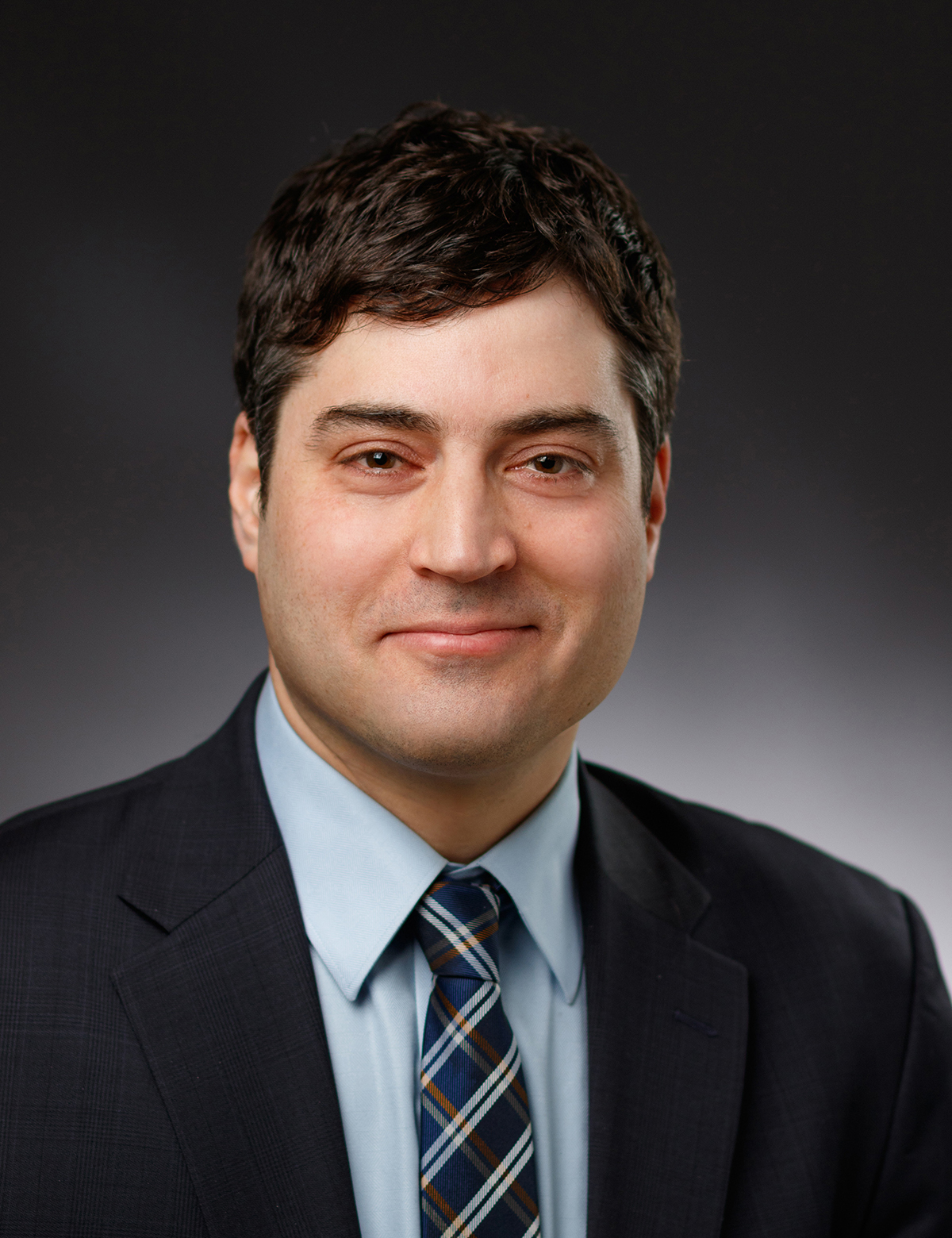
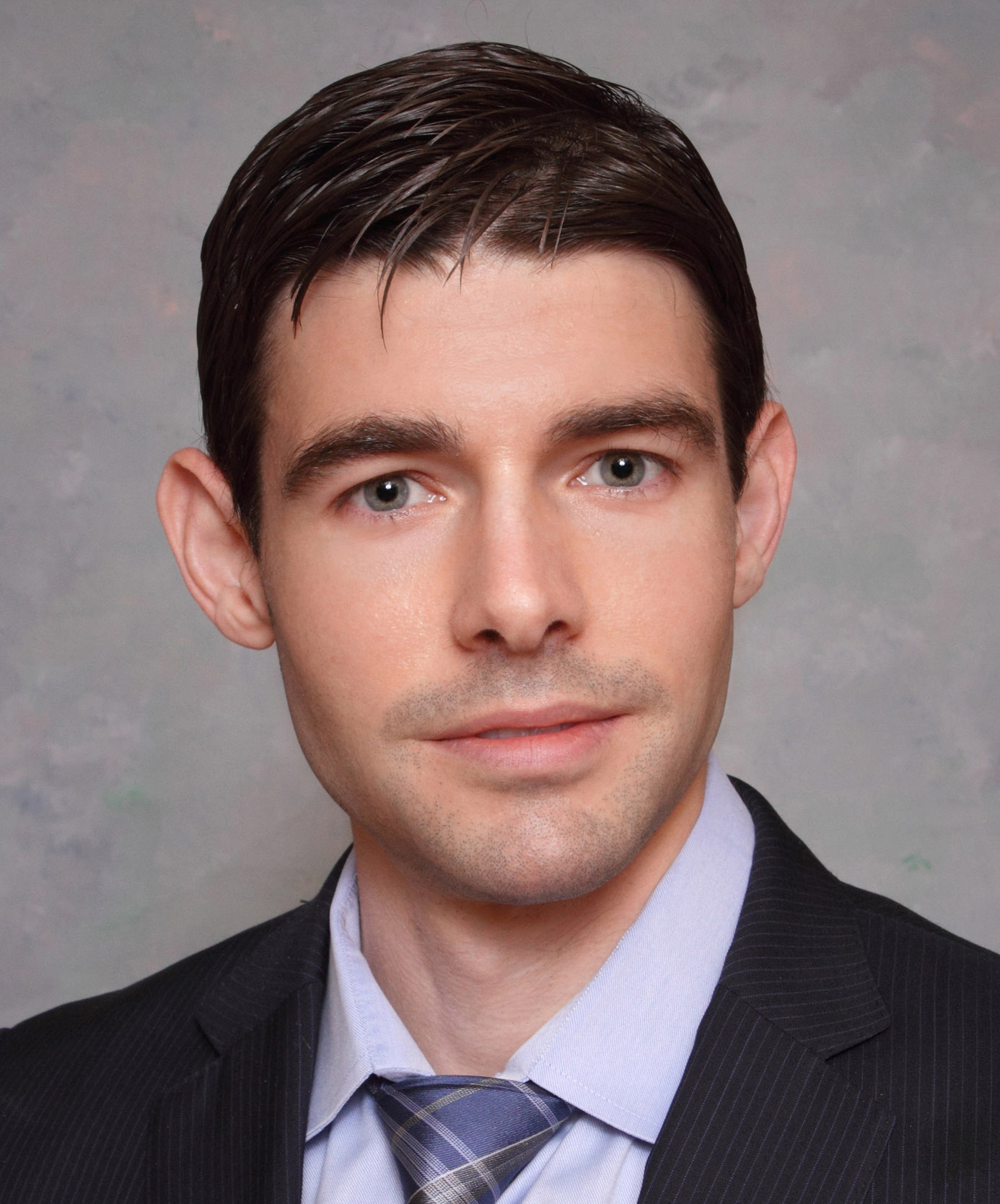
Joseph Zenga

Surgeon-scientist · Vice Chair of Research

Joseph Zenga, MD, MS

Head and neck cancer, translational oncology and surgical outcomes
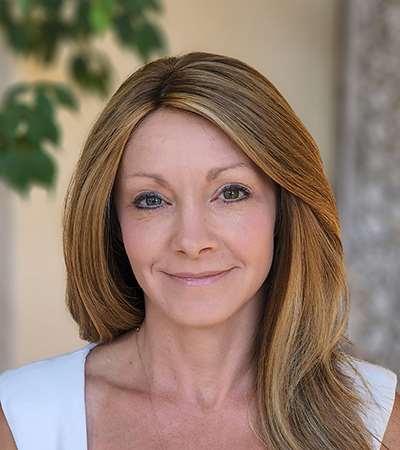
Nikki Johnston

Research mentor · Professor

Nikki Johnston, PhD

Airway inflammation, reflux and translational laboratory research
Michael Harris

Surgeon-scientist · Faculty mentor

Michael Harris, MD

Hearing, otology and patient-centered clinical research

Start a conversation

Interested in an R25 opportunity?

Tell us where you are in your training and which program you want to learn more about. The program team will follow up when application details are available.

Your privacy mattersYour information is emailed to the R25 program team and is not stored by this website. Please do not include health or other sensitive personal information.

Please do not submit health information or other sensitive personal information.